The “Full-funnel” Marketing Plan Trap (and how to avoid falling for it)
Deep down, a business owner wants clarity, growth, and a solid ROI. But they fall for the traps. Here are three traps small businesses fall for time and time again.
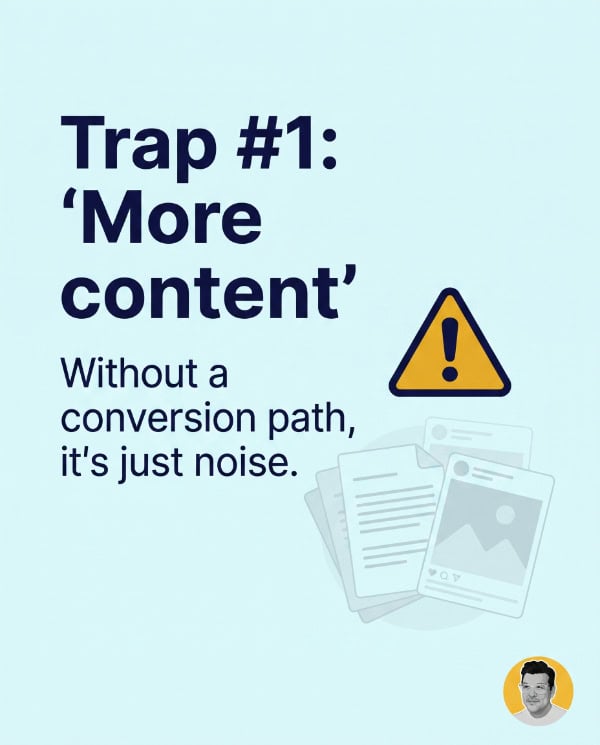
1. “Just post more content!”
Sure, sounds great in theory. But here’s the thing. If someone loves your post and wants to take the next step, where do visitors go? What do they do? If you haven’t built that bridge from “interested viewer” to “paying customer,” you’re basically shouting into the void. More content just means more shouting.
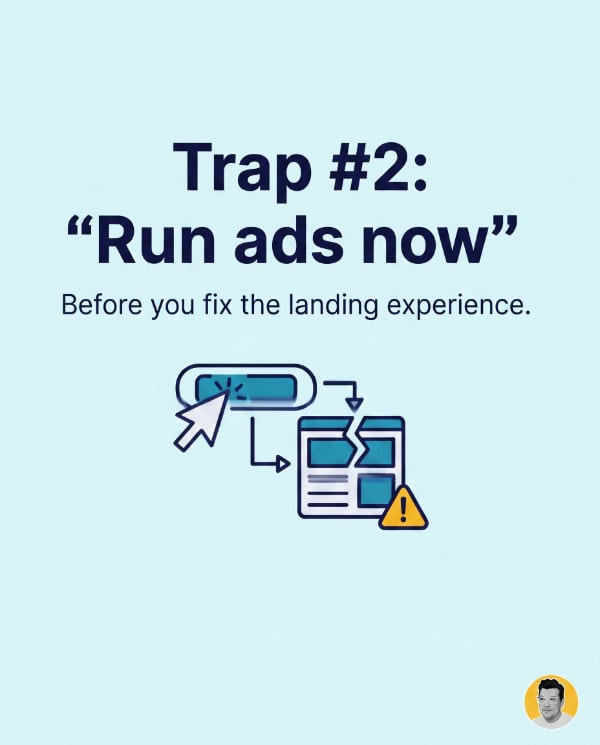
2. “Time to run some ads!”
Hold up. Before you throw money at Facebook or Google, ask yourself: where are these people landing? Because if they click through to a website that loads slower than an offensive lineman, looks like a 2015 template, or misses the point that it’s all about the user, not you, well, that’s just burning cash. You’re paying to send people to a broken front door.
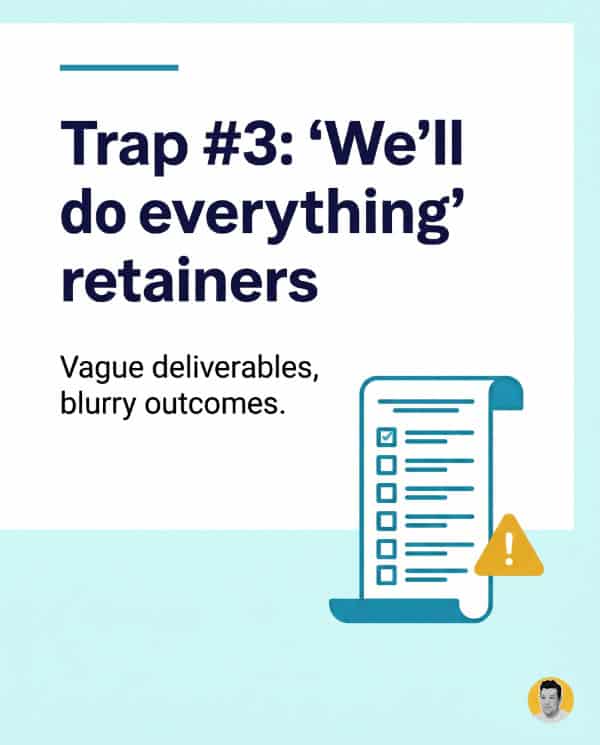
3. “Don’t worry, we do it all!”
This one stings because it sounds so appealing when you’re overwhelmed. But then month two rolls around and you’re thinking, “Wait, what exactly am I paying for?” The reports look pretty but tell you nothing. The deliverables are fuzzy at best. You know the saying, “Jack of all trades, master of none?” Yep.
So how can you raise expectations and break free from “traps”?
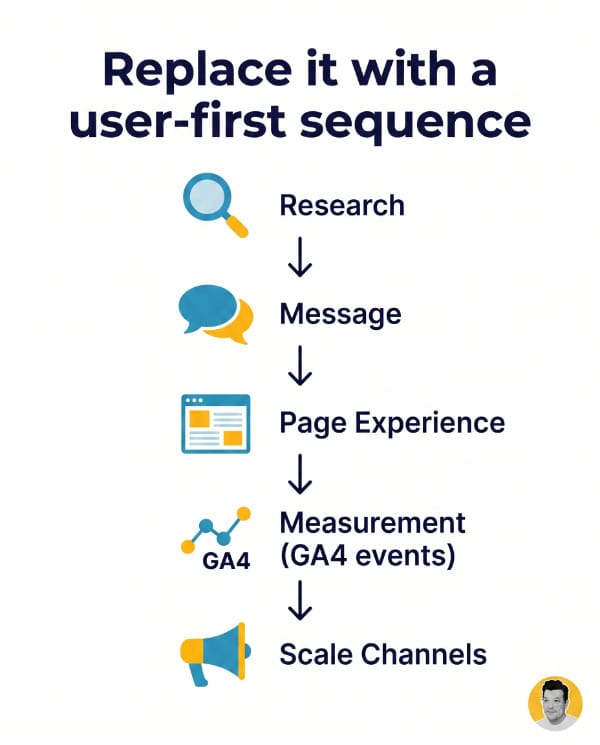
For any “full-funnel” proposal, ensure a clear purpose drives the plan.
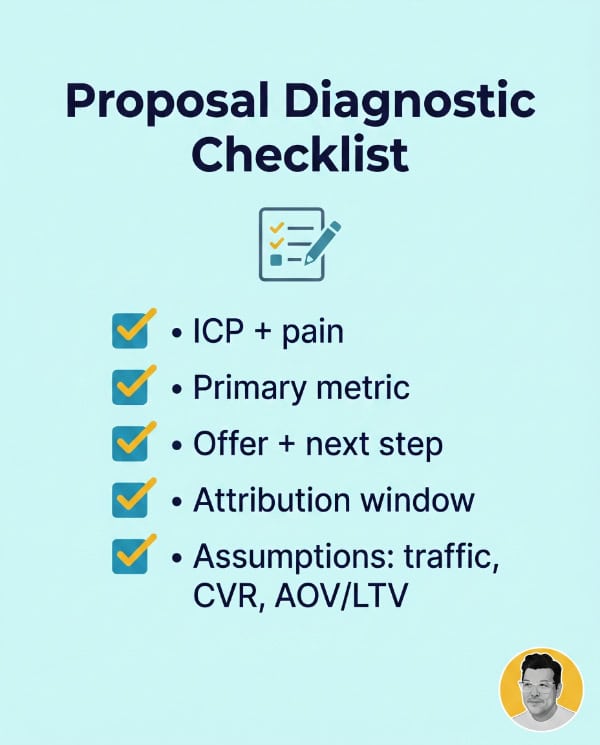
If it’s really a strategic proposal, it should include a focus on:
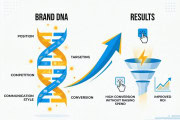
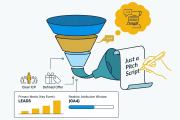
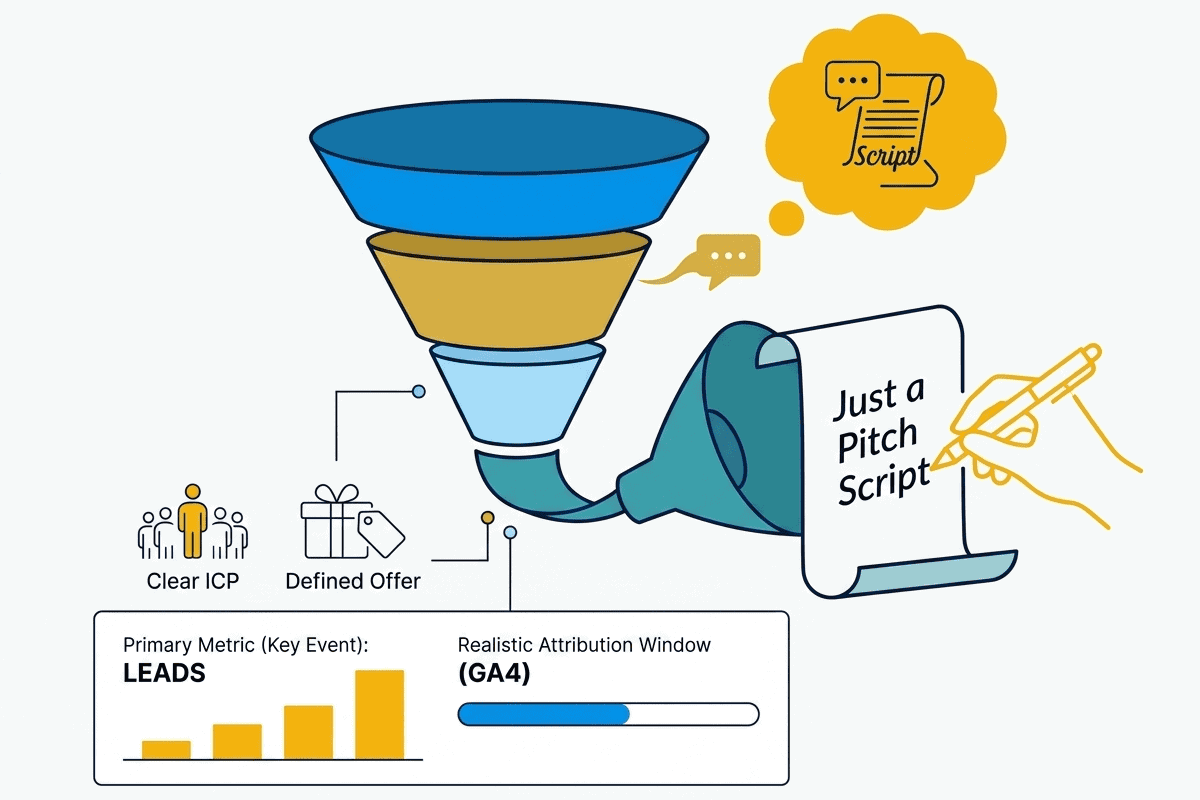
- Clear ICP and Pain Points: Define your Ideal Customer Profile (ICP) and identify a specific problem in plain English. Align your Brand DNA with your strategy.
- Measurable Primary Metric: Choose one key metric that defines success (such as leads, calls, or add-to-cart actions). These should be defined as Key Events in Google Analytics 4 (GA4).
- Defined Offer and Next Step: Specify what you want the user to do and explain why they should act now. A well-designed user experience (UX) leads to an excellent customer experience (CX).
- Realistic Attribution Window: Determine how long it will take before you can fairly assess the impact of your efforts. Factors influencing this timeframe may include your sales cycle, the marketing channel, and the complexity of the customer journey.
- Explicit Assumptions: Include assumptions about traffic, conversion rate (CVR), and average order value/lifetime value (AOV/LTV). These factors are crucial for informing your profitability and growth goals.
We operate differently. Explore how we approach your unique challenges to grow your business and reach your goals.